Extraordinary places. Remarkable stories.
Fenland
Heritage & History.
Beneath these enormous skies lies a landscape layered with lives. Ancient waterways. Soaring towers. Quiet revolutions. Come and discover the stories that shaped the Fens.
Step into the storyA landscape with a long memory
Look closer.
The past is
everywhere.
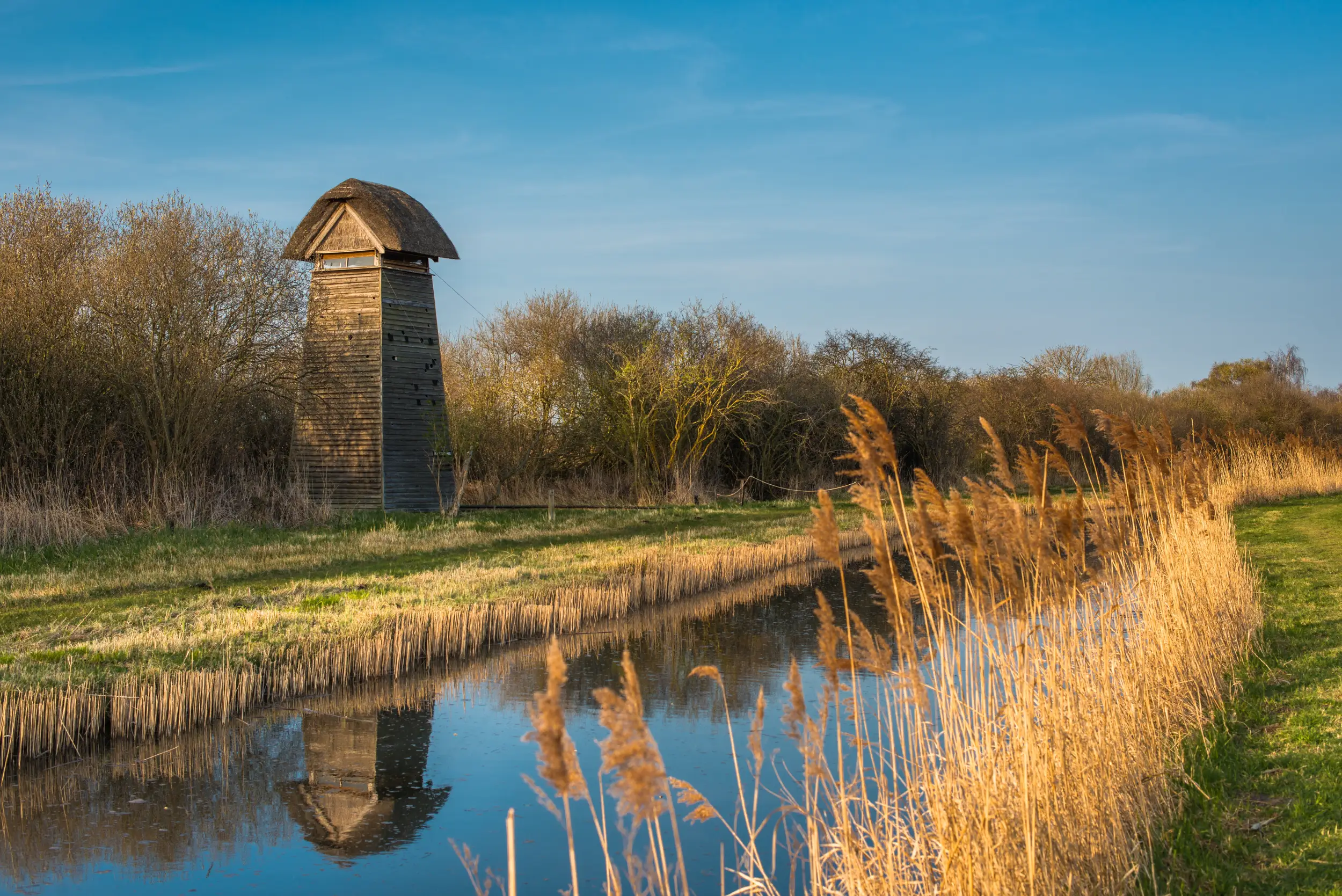
A church tower on the horizon. A river running straight towards the sky. A reedbed whispering beside an old windpump.
The Fens reveal their history in unexpected ways. This is a landscape shaped by changing water levels, centuries of work and generations of people making a life between land and water.
Follow its stories from ancient seas and Ice Age landscapes to Bronze Age timber causeways, medieval places of worship, Georgian streets and the remarkable machinery of drainage. Along the way, discover a region whose history reaches far beyond its horizons.
Find your first discoveryBefore the first footsteps
Ancient seas.
Lost forests.
A land still changing.
The flat horizon is only the surface of the story.
Beneath the fields lie layers of clay, sand, silt and peat. Together, they record changing climates, shifting coastlines and the slow accumulation of wetland life. The Fens were never one unchanging marsh: different parts of the basin followed different histories.
A seabed beneath
the fields
Long before the familiar wetlands existed, seas deposited the sediments that became much of the region’s bedrock. Jurassic clays underlie large parts of the Fen basin, while other Jurassic and Cretaceous rocks help shape its margins. Around the Great Fen, the Oxford Clay is a link to a marine world millions of years older than the peat above it.
The ground
takes shape
Repeated cold periods reshaped eastern England. Ice, meltwater, rivers and intense frost left a varied legacy of erosion, glacial deposits, sands and gravels. As the climate warmed after the last glacial period, woodland spread and rising seas began to alter drainage across the low-lying basin.
Where land
met the tide
During the Holocene, the period covering roughly the last 11,700 years, the relationship between land and sea repeatedly changed. Tidal creeks, mudflats and saltmarsh extended into parts of the basin, depositing fine sediments. Freshwater wetlands occupied other areas. These overlapping environments explain why the ground can change from peat to silt or clay over a short distance.
Land made
from plants
In waterlogged ground, a shortage of oxygen slows decomposition. Reeds, sedges and wood accumulated as peat, preserving traces of earlier habitats. Pollen, seeds and buried tree trunks help reveal past landscapes. The bog oaks found in the Fens are remnants of ancient woodland preserved in these wet conditions.
Rivers written
into the land
Some former tidal channels survive as winding, slightly raised ridges called roddons. Their sand and silt fillings resisted shrinkage better than the surrounding deposits. As neighbouring ground settled and peat was lost, the old channels became higher ground. A subtle rise across a field can mark a waterway that disappeared long ago.
Why the ground
has fallen
Drainage removes water from peat, allowing it to shrink and exposing it to oxygen, which accelerates decay. Compaction and erosion also contribute to land loss. The resulting fall in ground level helps explain why parts of the Fens now lie below sea level and why pumps, embankments and water-level management remain so important.
See the evidence for yourself
A landscape you can learn to read.
At Holme Fen, the famous iron posts record the lowering of the peat surface following nineteenth-century drainage. Across the Great Fen, surviving wetlands and restoration areas help connect that history with the landscape’s future.
Follow the water
The making
of the Fens.
Before the great drainage schemes, wetland communities harvested sedge, cut peat for fuel and caught fish and eels. Waterways carried people and goods through a landscape with its own skills, seasons and rhythms.
Large-scale drainage in the seventeenth century transformed much of that world. It created farmland, but also disrupted livelihoods and provoked resistance. Later, steam and diesel engines helped manage a landscape that still depends on the careful movement of water.
At Wicken Fen, a surviving fragment of undrained fenland keeps part of that older story alive.
Discover Wicken Fen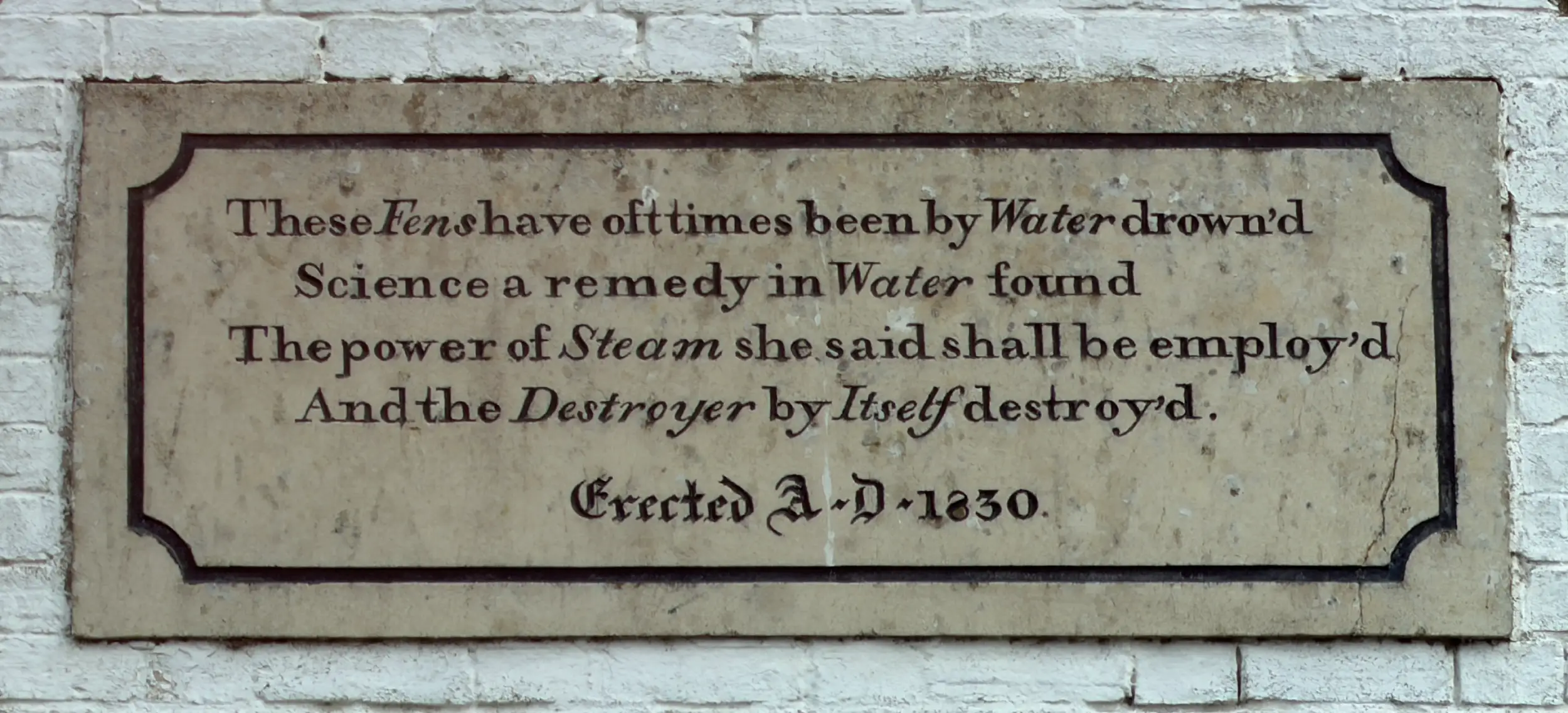
Layers of a living landscape
A journey
through time.
Four windows into a much longer story. Each has left traces you can still discover today.
Across ancient waters
At Flag Fen, people built a timber causeway and platform around 3,500 years ago. Surviving archaeology offers a remarkable connection with life in the Bronze Age.
Explore Flag FenStone against the sky
Work began on the present building at Ely. Its medieval architecture still dominates the skyline, rising above the low land that once surrounded the Isle of Ely.
Discover Ely’s storyA landscape transformed
Major drainage schemes reshaped rivers and wetlands. The straight channels and engineered waterways of the Fens tell a story of ambition, labour and contested change.
Understand the enginesA different kind of future
The National Trust bought its first two acres at Wicken Fen. Protecting this wetland opened a new chapter in the relationship between people and the Fenland landscape.
Explore Wicken FenGo beyond the history books
Extraordinary stories.
Real places.
Step inside, look up, wander a little further. These places make the history of the Fens something you can experience for yourself.
Ely · Faith & architecture
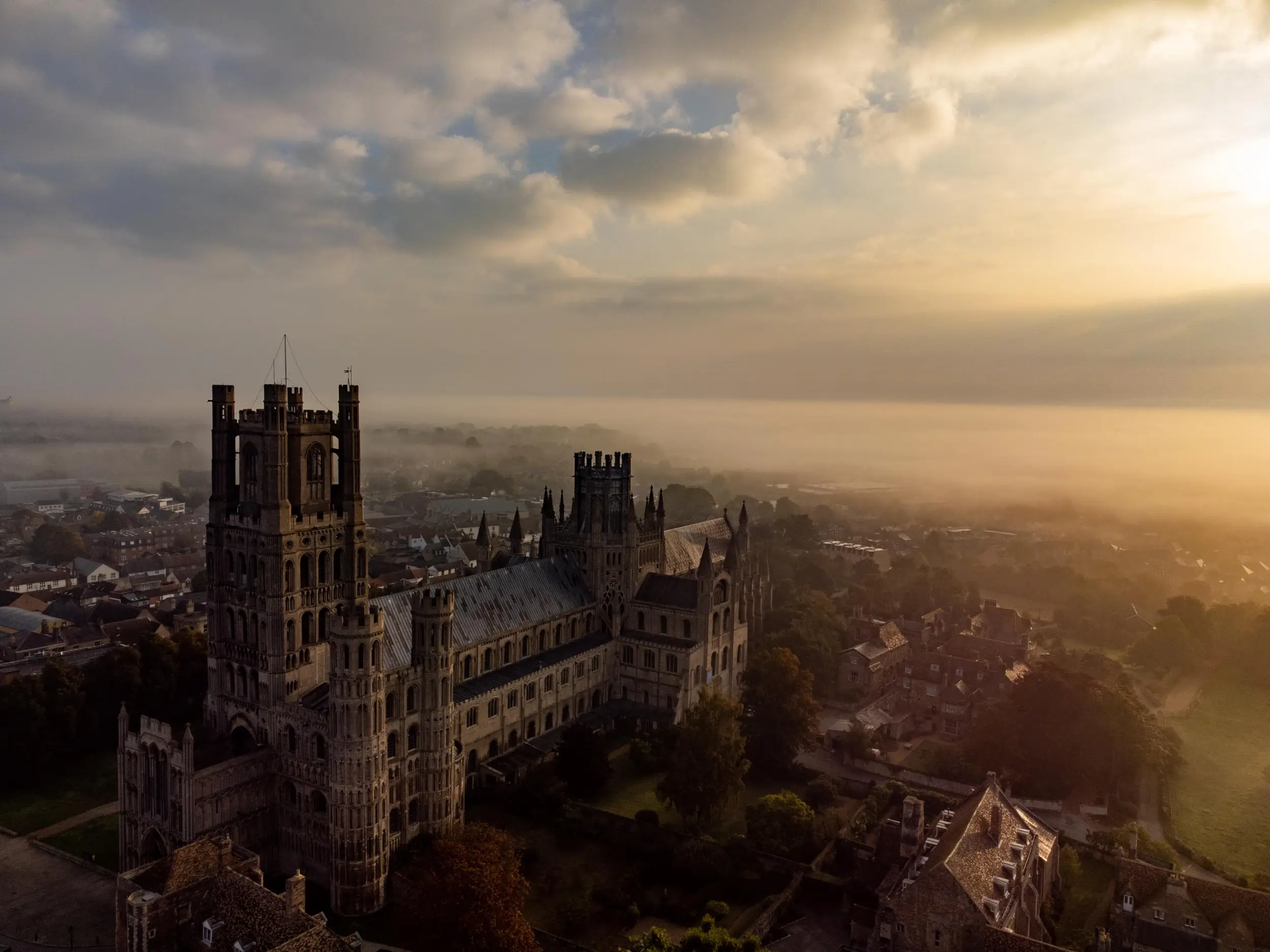
A cathedral
to stop you
in your tracks.
Follow the Norman nave towards the extraordinary Octagon, built after the central tower collapsed in 1322. Ely rewards both the sweeping view and the smallest detail.
Explore Ely Cathedral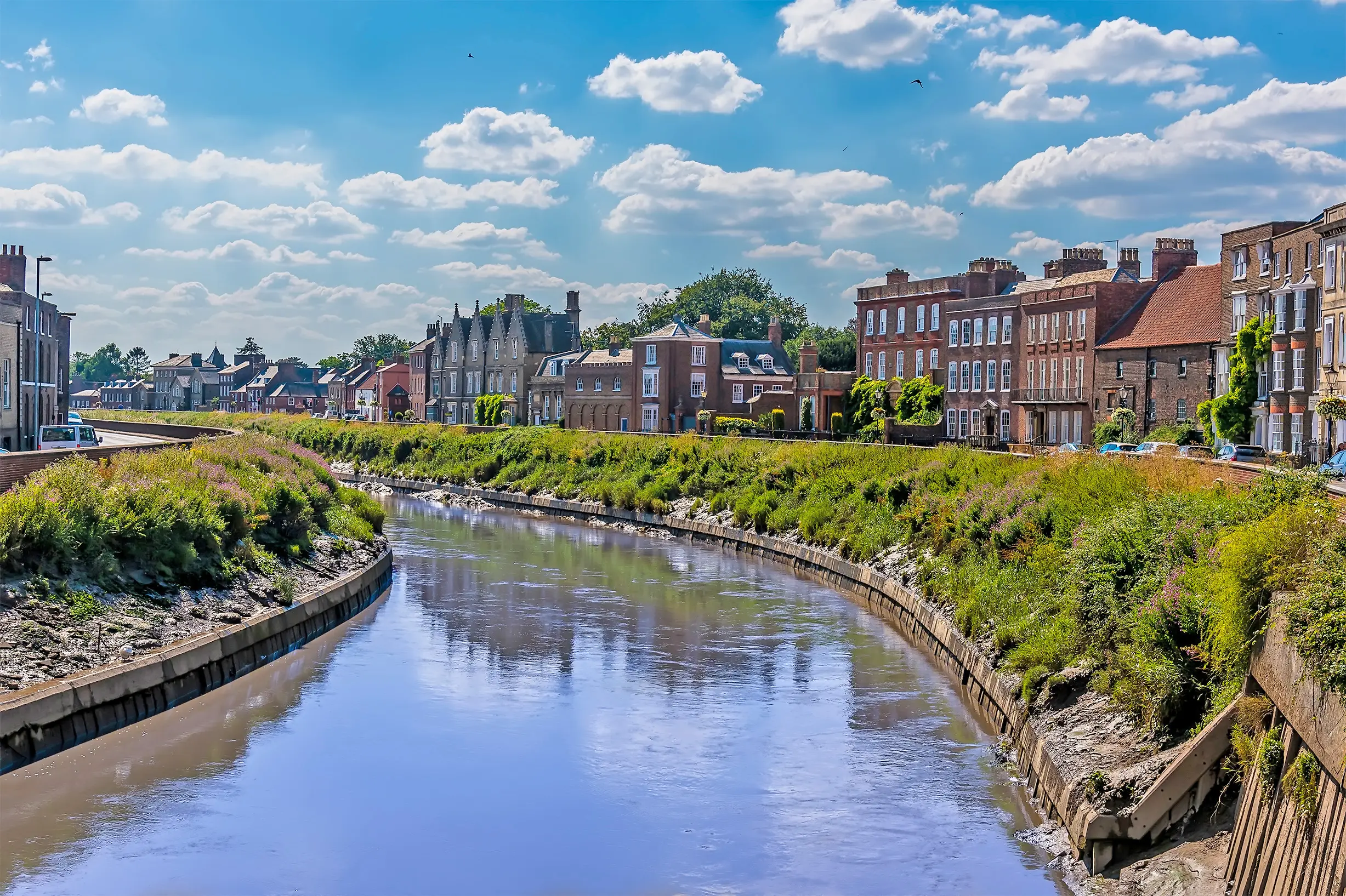
Wisbech · Trade & town life
Grand streets.
Hidden stories.
Wisbech’s riverside Brinks speak of a prosperous inland port. At Peckover House, discover the home and garden of a Quaker banking family with a deep commitment to the town.
Discover Peckover House
Peterborough · Western Fens
Flag Fen
Discover a Bronze Age landscape, remarkable surviving timbers and reconstructed roundhouses that help bring prehistoric life into focus.
Explore Flag Fen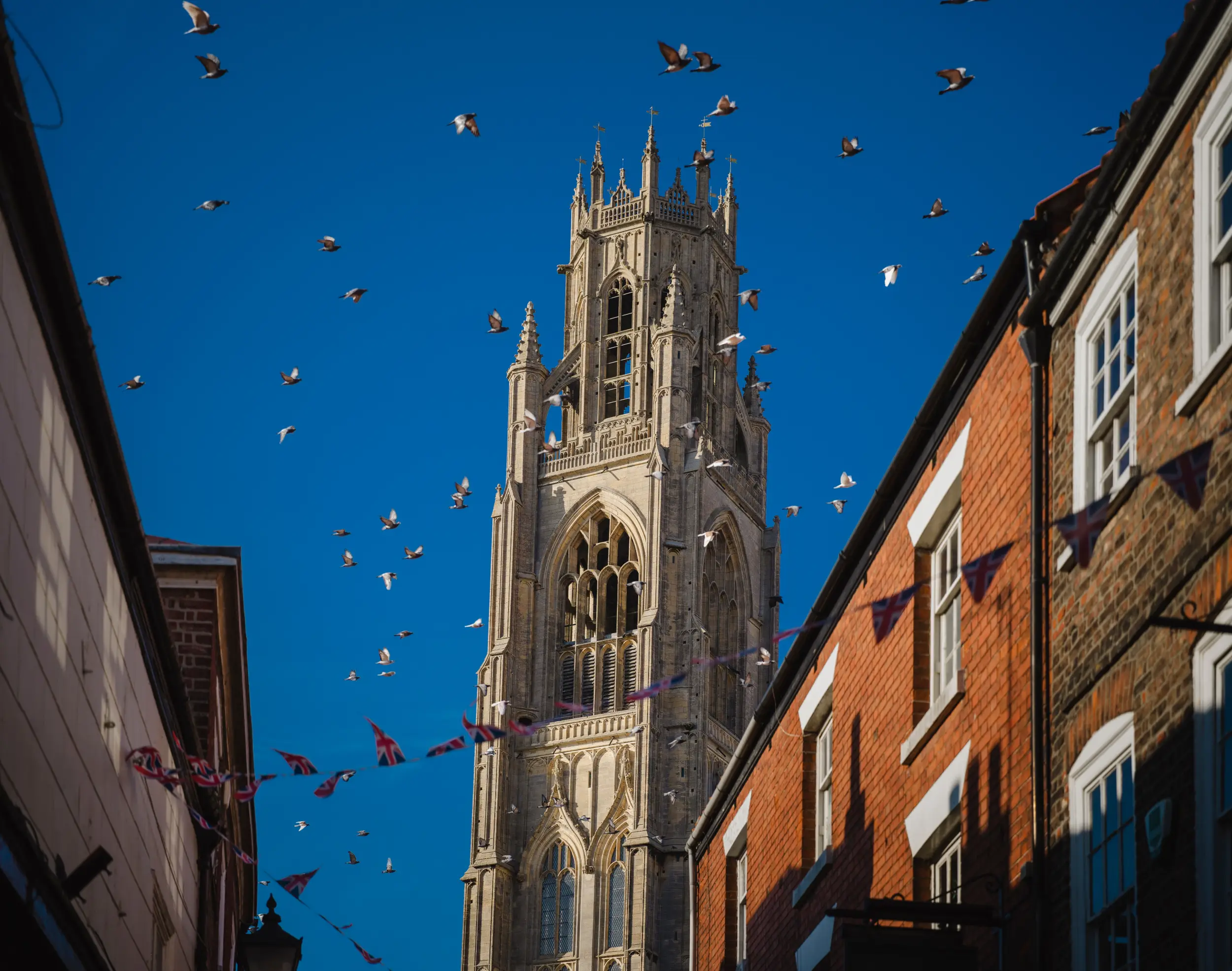
Boston · Lincolnshire Fens
Boston Stump
The great tower of St Botolph’s is a landmark above the Fens. The present church was begun in 1309, with its famous tower completed later.
Discover St Botolph’s
Prickwillow · Near Ely
Prickwillow Museum
Meet the mighty diesel engines behind the drainage story, and discover the people who operated the pumps that helped shape everyday Fenland life.
Explore the museumExplore each Discover the Fens profile for more about the place and links to visitor information.
Ideas that travelled beyond the Fens
Small places.
Lasting influence.
Fenland heritage is also a history of people: their work, their convictions and their determination to change the world around them.
Evidence. Conviction. Change.
Thomas Clarkson
Wisbech’s history connects with the wider movement against slavery through Thomas Clarkson. His campaigning used evidence, objects and testimony to challenge the slave trade. The Wisbech & Fenland Museum cares for his campaign chest and important related collections.
Explore Wisbech & Fenland MuseumHomes. Nature. Belonging.
Octavia Hill
Born in Wisbech in 1838, Octavia Hill became a social reformer and one of the founders of the National Trust. Her work connected the quality of people’s homes with access to open space. Her birthplace on South Brink introduces a legacy that still shapes places today.
Explore her birthplaceAnd countless lives less often recorded
The boat builders. The sedge cutters. The farm workers. The families who made their homes here. Their skills and everyday lives belong at the heart of the Fenland story.
Make your own discoveries
Let curiosity
lead the way.
Start with a cathedral, a museum or a quiet stretch of water. Stay for the stories you didn’t expect to find.
Photography
Ely, Ely Cathedral, Wicken Fen, Wisbech, Flag Fen and Boston Stump photographs are supplied through Discover the Fens.
Prickwillow archive photograph (1989): Mirrlees, Bickerton & Day diesel , Chris Allen / Geograph, CC BY-SA 2.0 . Cropped to fit the layout; the same licence applies to the crop.
